ICOM IC-A25N Handheld NAV/COM Transceiver w/ Bluetooth – Open Box: Advanced Pilot Communication
ICOM IC-A25N Handheld NAV/COM Transceiver w/ Bluetooth – Open Box: Advanced Pilot Communication
Blog Article
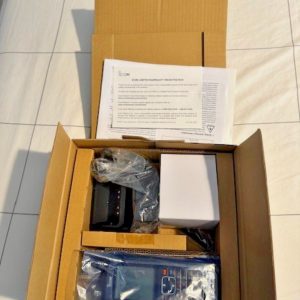
:::writingvariant="document" id="58314" ICOM IC-A25N Handheld NAV/COM Transceiver w/ Bluetooth – Open Box: Versatile Cockpit and Ground Communication The ICOM IC-A25N Handheld NAV/COM Transceiver w/ Bluetooth – Open Box combines user-friendly controls, portable convenience, aviation communication capability, navigation functions, and Bluetooth connectivity. A carefully inspected open-box package can offer the operational benefits of a premium handheld aviation radio while helping owners control equipment costs. The ICOM IC-A25N Handheld NAV combines practical portability with features intended to support situational awareness and reliable aviation operations. The ICOM IC-A25N Aviation Radio offers portable flexibility for aircraft owners who do not want to rely exclusively on panel-mounted communication equipment. The ICOM IC-A25N Handheld Radio can be carried conveniently in a flight bag, stored as backup cockpit equipment, used during preflight activities, or assigned to aviation personnel who require portable communication. Choosing a Handheld NAV/COM Aviation Transceiver can support organized flight preparation, backup planning, and portable cockpit communication. Whether the intended use involves a Handheld Aviation Radio, Aviation NAV/COM Radio, Pilot Handheld Radio, or Aircraft Communication Radio, dependable battery and antenna performance remain important. The unit may also serve as a Portable Aviation Transceiver, Aviation Communication Device, Handheld Aircraft Radio, Aviation Navigation Radio, ICOM Pilot Radio, Emergency Aviation Radio, or Backup Aircraft Radio for appropriate aviation applications.
Key Benefits of the ICOM IC-A25N Transceiver
The ICOM IC-A25N is designed to provide aviation communication and navigation-related functionality in a portable enclosure suitable for cockpit, ramp, hangar, training, and emergency use. Its practical value comes from combining mobility, recognizable controls, aviation-focused operation, rechargeable power, and multiple communication or navigation functions. A handheld radio can provide valuable support, but performance may depend on antenna position, aircraft structure, terrain, distance, interference, battery condition, and operating environment. Pilots should test the radio during routine conditions and become familiar with its operation before expecting to use it during an urgent situation.Choosing the ICOM IC-A25N Handheld NAV
The ICOM IC-A25N Handheld NAV can support pilots who want portable access to aviation communication and navigation information during flight preparation or cockpit operations. Flight schools can use portable radios to support classroom discussions, ramp communication, operational demonstrations, and backup planning. The handheld radio should be operated according to the manufacturer’s instructions and integrated responsibly into the pilot’s overall workflow. A complete preflight review can confirm that the radio is charged, configured, accessible, and ready to support the planned operation.ICOM IC-A25N Aviation Radio Applications
An ICOM IC-A25N Aviation Radio can serve pilots who need portable communication for flight operations, aircraft delivery, training, airport coordination, or emergency preparedness. Flight instructors can use the device as supplemental equipment during ground lessons, aircraft walkarounds, and selected training exercises. A complete written inventory helps purchasers compare the open-box price with the cost of replacing missing accessories separately. Remote buyers may request a video showing startup, menu operation, button response, audio output, charging status, and physical condition.Carrying the ICOM IC-A25N Handheld Radio
The handheld format allows the radio to move with the pilot between personal, rental, training, business, and club aircraft. Responsible storage preserves physical condition and improves the likelihood that the radio will function correctly when needed. Portability also allows the radio to be charged and configured away from the aircraft, helping pilots prepare frequencies and settings before entering the cockpit. Careful handling allows a portable aviation radio to remain a dependable part of the pilot’s equipment inventory.Handheld NAV/COM Aviation Transceiver Applications
A feature-rich handheld transceiver can provide practical support while remaining compact enough for regular flight-bag use. The most suitable handheld radio is not necessarily the one with the longest feature list, but the one the pilot can operate confidently and maintain properly. Users should keep here the operating guide accessible until they can manage essential functions without hesitation. Any abnormal heat, charging issue, intermittent audio, damaged control, loose connector, or battery swelling should be investigated before further operation.Handheld Aviation Radio Benefits
General aviation users may carry a portable radio during training flights, cross-country operations, maintenance, aircraft repositioning, and airport events. The radio can also provide useful redundancy when an installed communication system experiences an unexpected problem. Radio performance can be affected by aircraft structure, cockpit location, antenna orientation, terrain, buildings, interference, weather, and distance. The device should not be used for casual or unnecessary transmissions that could interfere with operational communications.Aviation NAV/COM Radio Functions
An Aviation NAV/COM Radio gives pilots portable access to communication and navigation-support features that may complement installed cockpit avionics. A portable radio should support cockpit management rather than add unnecessary workload. Users should distinguish between convenience features, backup capability, training value, and equipment required for a particular flight. A structured preflight routine helps the Aviation NAV/COM Radio deliver reliable and practical support.Pilot Handheld Radio Benefits
Pilots may carry a handheld radio as part of a broader emergency kit that includes lights, power supplies, charts, tools, and survival equipment appropriate to the flight. Good cockpit organization reduces workload and prevents backup equipment from becoming difficult to reach when needed. Training may also include using the radio with gloves, in reduced light, with a headset, or in a noisy cockpit environment. The radio’s charging schedule should reflect how often it is used and how long it remains stored between flights.Aircraft Communication Radio Benefits
An Aircraft Communication Radio supports communication between pilots, air traffic services, other aircraft, flight instructors, and authorized ground personnel. Professional communication practices improve the effectiveness of both installed and handheld radios. Buildings and hangar structures can also reduce radio performance during ground use. Maintaining physical and electronic condition supports dependable Aircraft Communication Radio performance.Portable Aviation Transceiver Advantages
Portability is valuable when users need one radio across several airplanes, buildings, vehicles, or operational locations. A portable unit is easier to transport than installed avionics, but it also requires careful management of batteries, antennas, chargers, cables, and accessories. Bluetooth capability can improve convenience by supporting compatible wireless audio arrangements and reducing the number of cables around the pilot or operating area. Careful setup allows portable wireless communication features to improve convenience without creating unnecessary cockpit distraction.Benefits of an Aviation Communication Device
The ideal device balances functionality with an interface the user understands and can operate confidently. Open-box equipment should be compared carefully with new and used alternatives because condition, warranty, packaging, and completeness may vary. Organized equipment management helps ensure that the radio remains available and serviceable for the next user. A radio configured for one headset or training environment may need adjustment before being issued for another application.Handheld Aircraft Radio Applications
A Handheld Aircraft Radio can provide useful communication capability both inside the cockpit and around the aircraft during maintenance, preflight, towing, fueling, or operational preparation. Using the radio on the ground can preserve aircraft battery power and reduce the need to energize installed avionics solely for monitoring or coordination. A handheld radio should not be placed on an unstable surface where turbulence or maneuvering could send it across the cockpit. Charging ports and connectors should remain dry and free from debris before accessories are attached.Using an Aviation Navigation Radio
A combined navigation and communication unit can help pilots maintain familiarity with one device rather than carrying unrelated portable tools. Pilots should confirm which navigation functions are available, how they operate, and what limitations apply before relying on them. A handheld radio should not be treated as a substitute for equipment or procedures required by regulation, aircraft approval, or operating conditions. The manual and quick-reference information should be available until the pilot can use important functions confidently.Using an ICOM Pilot Radio
An ICOM handheld can become a standard part of a flight bag for pilots who regularly operate rented, shared, or personally owned aircraft. An open-box unit may have excellent value, but the buyer should verify the package rather than relying solely on the model name. The device should support the pilot’s normal workflow rather than requiring accessories or procedures that are inconvenient or incompatible. Periodic practice ensures that the user remains confident with essential functions as time passes.Using an Emergency Aviation Radio
A backup transceiver should be included in emergency planning rather than carried without testing or operational preparation. The pilot should understand how portable-radio range may differ from normal aircraft communication equipment. Redundancy is strongest when the user has more than one practical method of hearing and transmitting with the device. The radio should be tested periodically without making unauthorized transmissions or interfering with operational frequencies.Choosing a Backup Aircraft Radio
Backup equipment can be particularly valuable during cross-country operations, aircraft delivery, training, rental flying, or travel in older aircraft. Stored batteries can lose capacity, accessories can become misplaced, settings can change, and physical damage may go unnoticed. Each audio method should be tested in advance under realistic cockpit noise conditions. The handheld radio should support safe aircraft management rather than draw attention away from immediate flight responsibilities.Open-Box ICOM IC-A25N Purchase Checklist
An open-box ICOM IC-A25N should be inspected for cosmetic condition, display quality, button response, antenna security, battery fit, connector condition, and evidence of previous use. Transparent answers allow the buyer to distinguish a nearly unused open-box product from a lightly used or incomplete package. Functional testing should include power-on behavior, charging, control response, display operation, speaker audio, microphone function where appropriately tested, and accessory recognition. The buyer should inspect the radio promptly after delivery and report any missing items, damage, or functional concerns according to the agreed terms.Maintaining a Portable NAV/COM Transceiver
The radio should be inspected according to usage frequency, storage duration, operating environment, and the importance of its backup role. Any change in audio, charging, battery life, control response, display quality, Bluetooth operation, or power stability should be investigated.- Check for cracks, loose parts, damaged buttons, display concerns, weak battery performance, antenna damage, charging problems, and missing accessories.
- Verify frequency settings, memory organization, Bluetooth pairing, audio routing, volume, squelch, navigation functions, and battery status during preflight preparation.
- Record any missing component, operating concern, battery issue, or required service before returning the radio to backup status.